The advantages of close collaboration
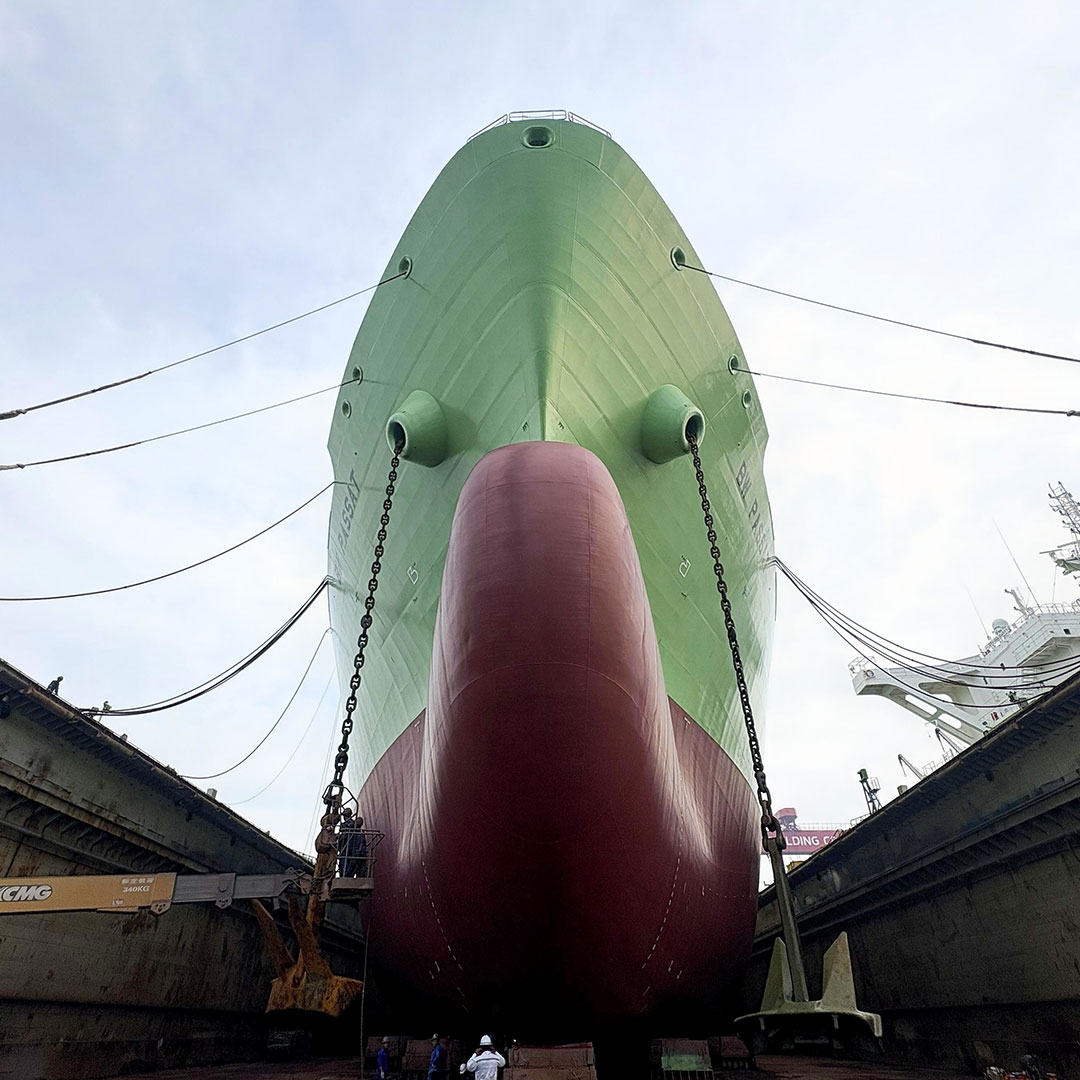
As the Central Dry Docking Team regularly supports projects of all vessel types across different regions, it brings broad experience and understanding of shipyard practices and market benchmarks. “Over the last couple of years, we have been directly involved with projects covering LPG carriers, tankers, bulk carriers, container vessels, cruise and offshore vessels. Our team has the experience to support all vessel types under BSM management”, says Vellur.
The team can anticipate how specifications will be interpreted by yards, where assumptions may be made and how pricing structures are built. It can therefore provide targeted reinforcement during key phases of the dry dock: when it comes to planning, specification finalisation, class and regulatory interpretation, yard selection and negotiations.
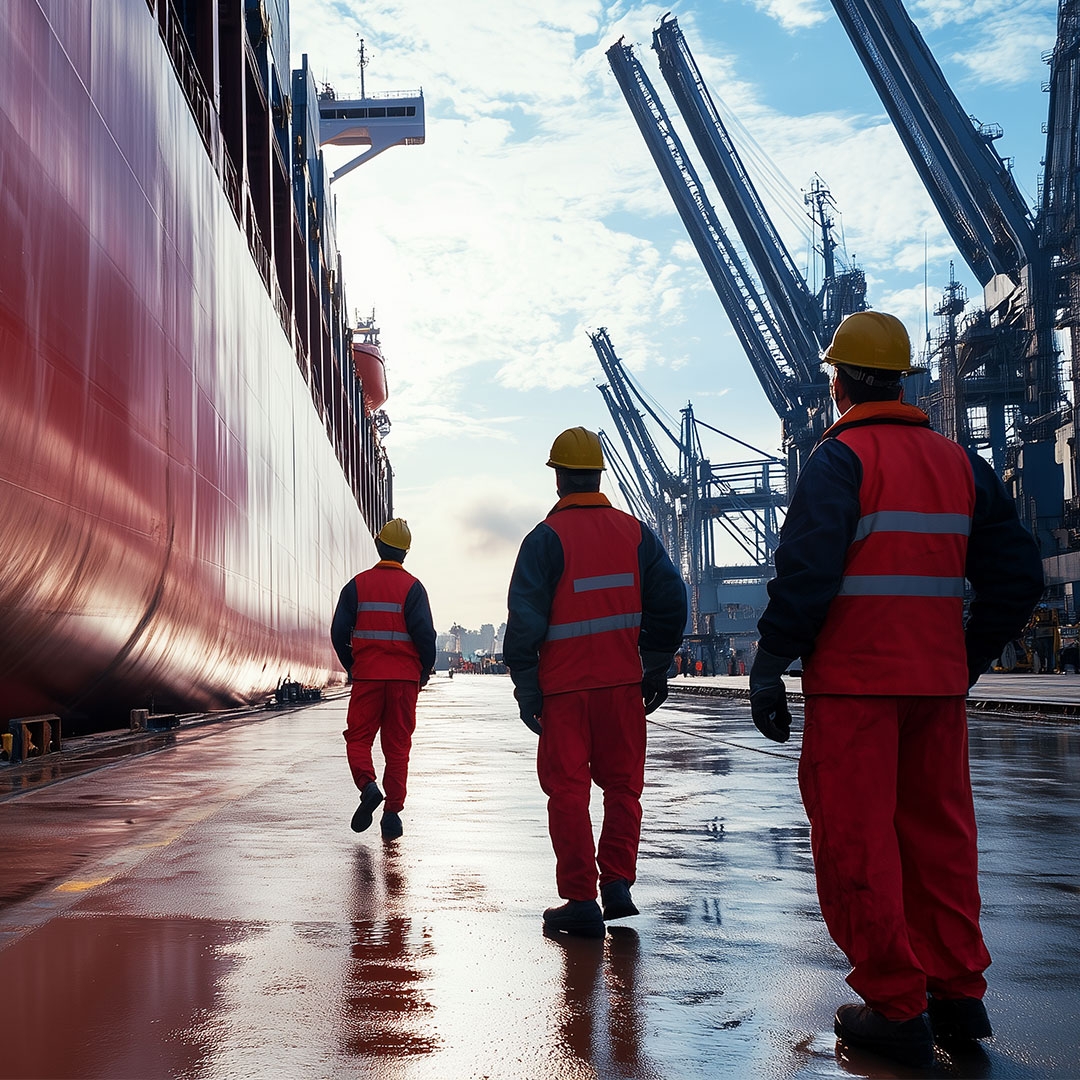
The specialists can also identify latent repair risks, close potential contractual gaps and ensure that the scope of work accurately reflects the vessel’s condition and regulatory obligations. Hari Krishna from the Central Dry Docking Team explains: “We do a lot of risk mitigation, and we will also ensure that the final invoice from the yard is reasonable and corresponds to the work carried out. Just recently, we supported one of our fleet teams and managed to reduce the final cost by 5-6% in a Chinese shipyard.”
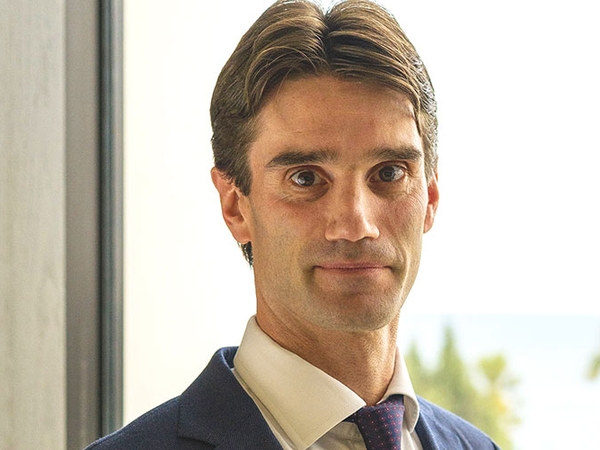
“Being able to build on the expertise of colleagues who do this several times a year is a great advantage. It can considerably enhance the negotiating position of our fleet teams and make dry dockings more efficient for our clients”, says Thorge Linne, Fleet Director, BSM Germany, who brings in a specialist whenever it makes sense. “The secret to success always lies in thorough upfront planning and full transparency with our clients”, he concludes.