Managing what we cannot control
What counts in ship management today?
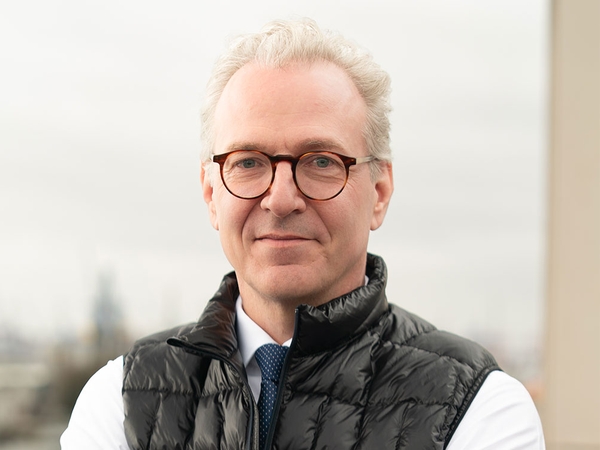
BSM’s Chief Digital Officer Sankar Ragavan on AI, human judgement and why the industry's biggest challenge is learning to work with technology rather than simply adopting it.
Published on 09 Nov 2026

Across industries, AI systems become constantly better at analysing and optimising their recommendations. At the same time, reports of AI models breaking out of testing environments, coupled with increasingly candid statements from their creators about the risks their own systems may pose, keep the debate around autonomy versus accountability very much alive.
As vessels become more connected and operational decisions increasingly supported by digital tools, including AI, the maritime industry is right in the middle of this debate. While much of the discussion focuses on what AI can do, an even more important question is how people will work with it – and be able to control it.
In this interview, Sankar Ragavan, BSM’s Chief Digital Officer and CEO of the Schulte Group’s maritime digital solutions partner MariApps, shares his perspective on the role of AI in the maritime industry and why the real challenge is not humans versus machines, but how both can work together within well-governed operating systems.
Sankar Ragavan, CEO, MariApps
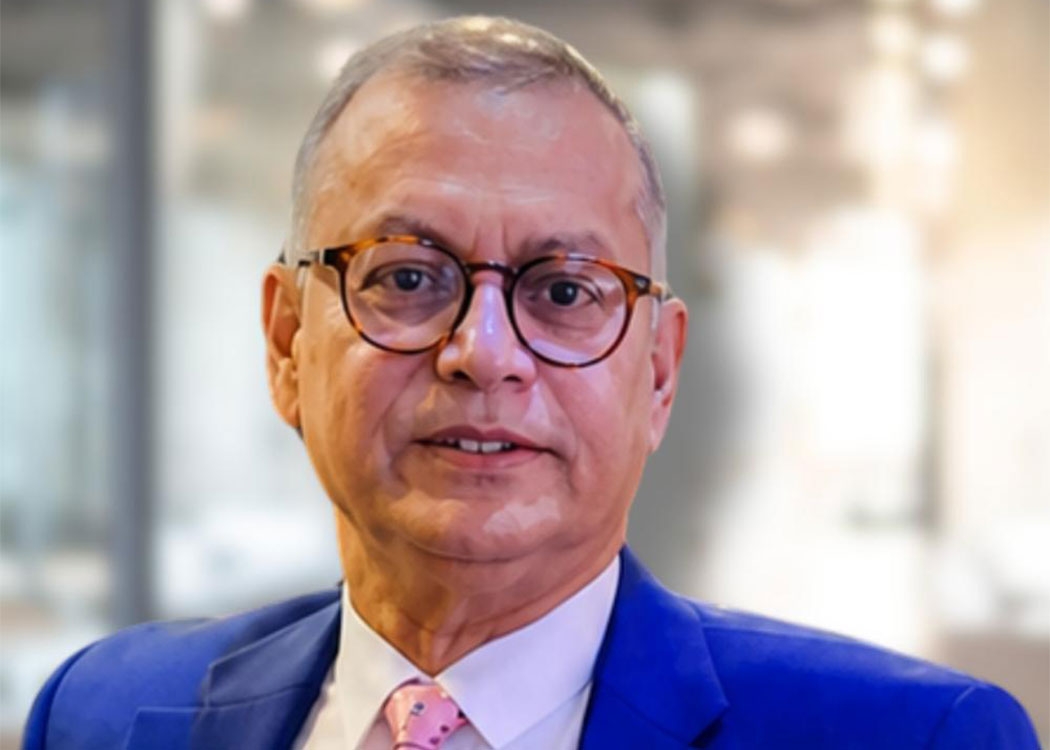
AI will be what we make of it. I don't believe that AI will replace seafarers, nor will it replace human judgement or accountability. What it will do is change how many maritime roles are performed.
The divide will be between professionals who are augmented by AI and those who are not. For example, roles such as Health, Safety, Environment and Quality (HSEQ) officers, port engineers and fleet superintendents are gradually shifting from manual execution of processes and checklists towards reviewing and managing AI-generated outputs. That could involve validating predictive maintenance recommendations, reviewing AI-flagged deficiencies or assessing compliance risks.
AI is increasingly handling repetitive work such as data analysis, reporting and monitoring because it is exceptionally good at processing large volumes of information, identifying patterns and automating routine tasks. At BSM, AI is becoming more and more embedded in our processes and workflows, ranging from drydock planning solutions that support maintenance decisions to chatbots that help identify fuel-efficiency improvements and tools that automate elements of vessel inspections. AI really helps connect information across functions such as procurement, crewing, compliance and finance, providing predictive insights and reducing manual data handling. This is good. It truly makes our processes more efficient.
But shipping is full of exceptions because nature and human behaviour are full of exceptions. The world is never entirely predictable, and into this imperfect world comes AI, using data and pattern recognition to identify opportunities for optimisation. Yet weather changes, port conditions, equipment behaviour, regulatory interpretation and commercial pressures do not always fit neatly into a model, nor do we – the so-called human element.
That is why AI systems can identify risks and provide recommendations. They may even come across like a sparring partner. But they will always only be as good as the data they will receive and people must remain responsible for making the final call.
As AI systems become more capable and operate with greater autonomy, they will increasingly give the impression that they have everything under control. And so, the most important skill will be maintaining a mindset of critical thinking, grounded in expertise and experience. We must not allow ourselves to be seduced by the confidence with which AI presents its answers.
People need to understand data and system behaviour. They must be able to assess whether a recommendation makes sense in a specific operational context. In particular, they need to excel at managing exceptions and understanding the bigger picture: how operational, technical, regulatory and digital considerations interact.
There will also be a growing need for AI interaction skills: knowing how to query systems effectively and recognise their limitations. As vessels become more connected, cybersecurity awareness will become even more important.
The good news is that these are not entirely new skills for maritime professionals. Seafarers, in particular, operate in an environment that constantly requires sound judgement and situational awareness. The challenge is therefore less about learning a new way of thinking but more about maintaining the same level of vigilance when working alongside AI, especially when its recommendations appear entirely reasonable on screen.
The biggest concern is the mismatch between the speed of technology adoption and the speed at which training and competency frameworks evolve.
Traditionally, maritime education and regulatory frameworks develop over years rather than months. AI capabilities can change significantly within weeks.
Many around the globe are becoming aware of this urgency. Recently, a coalition of 29 European states and the International Association of Classification Societies called on the IMO to begin developing dedicated standards for AI systems used in shipboard navigation and communications equipment.
From an industry perspective, that is encouraging. Shipping is not only full of exceptions but also full of fragmentation. Just look at decarbonisation. Companies are dealing with EU ETS, UK ETS and FuelEU Maritime while everyone is still waiting for the IMO's Net-Zero Framework to become a reality. With AI, we might have the opportunity to set global standards much earlier and avoid a similar patchwork of requirements.
The pace of technological change means upskilling cannot be classroom-first. Learning to work with AI requires speed and continuous development. Most of the learning will need to happen on the job, as part of the daily work. It should focus on data literacy and understanding when to trust and when to challenge AI-generated recommendations.
Companies will need to accept the continuous evolution of their operating frameworks, defining what AI can do and the role people must play. We did this at BSM and have established an AI policy and governance process to ensure AI solutions are assessed, approved and used responsibly, with risk controls and human oversight.
The winners will not be the companies with the most AI. They will be the companies that best combine human judgement with AI at scale.
Leaders should ensure that humans and AI work together within defined boundaries. They must lead by example and embrace and promote continuous learning. As AI becomes more capable, it must always be clear that accountability remains with people.
What counts in ship management today?
What do the world’s first ammonia bunkering vessel and luxury yachts have in common? They are all part of BSM’s growth story and it goes well beyond 700 managed vessels.
By Fabian Reimers, BSM Group Commercial Director
09 Nov 2026 - BSM Highlights
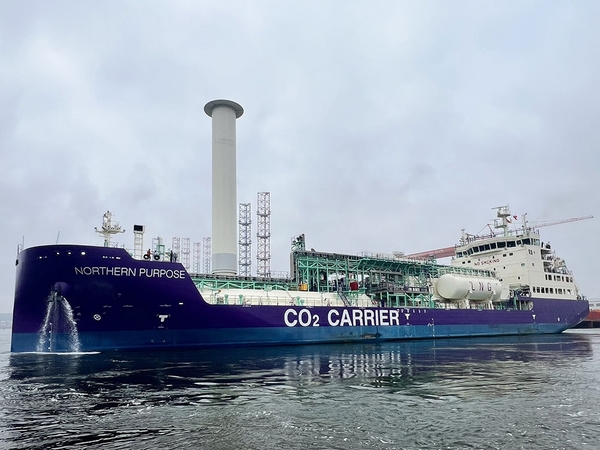
After several years of planning, construction and preparation, BSM’s first managed LCO₂ carrier, “Northern Purpose”, has entered service. Having successfully completed her first cargo operations, the pioneering vessel is now connecting European industrial emitters with permanent CO₂ storage in Norway.
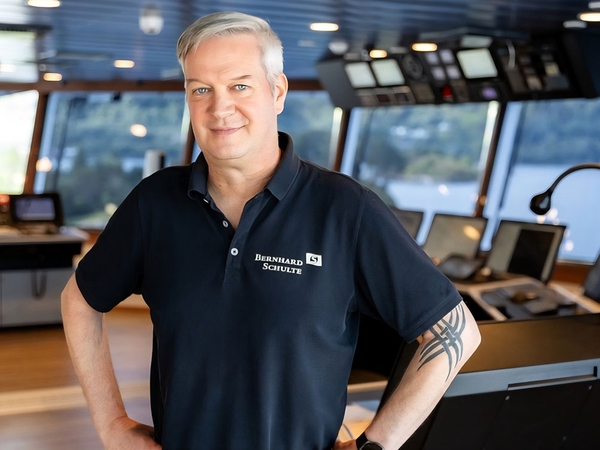
From shipyard to offshore operations: Over the past few months, BSM has taken over the management of four new-build Commissioning Service Operation Vessels (CSOVs) of the latest generation. One of those who played a key role in bringing all four sister vessels into service, is Captain Rainer Müller.
09 Nov 2026 - BSM Highlights
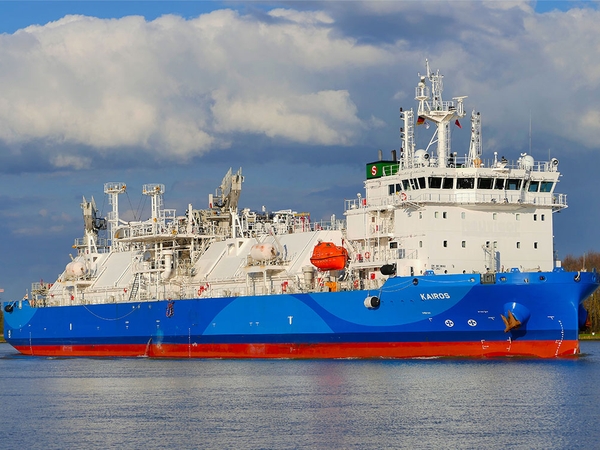
As demand for LNG bunkering vessels grows, the industry faces a less visible challenge: finding and training the seafarers who can operate these highly specialised vessels safely and efficiently. A new case study developed jointly with SEA-LNG, a multi-sector industry coalition that promotes the use of liquefied natural gas as a marine fuel, explores BSM’s lessons learned from nearly a decade of LNG bunkering operations.
09 Nov 2026 - BSM Highlights
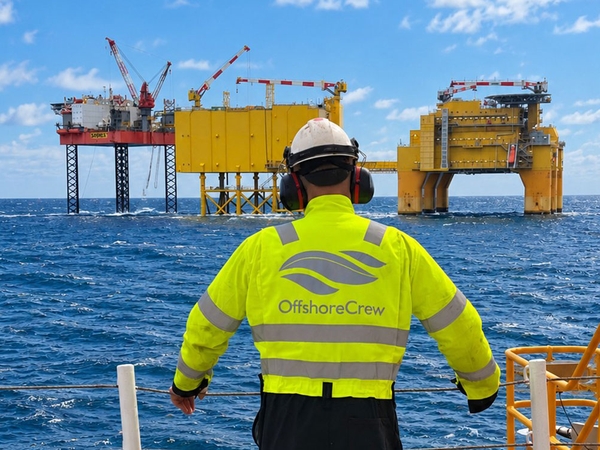
Bernhard Schulte Shipmanagement (BSM) has agreed to acquire a 50% stake in OffshoreCrew AS, a Norwegian specialist in offshore recruitment and crewing solutions. The investment further strengthens BSM’s service offering for customers in the offshore and maritime sectors.