Managing what we cannot control
What counts in ship management today?
From shipyard to offshore operations: Over the past few months, BSM has taken over the management of four new-build Commissioning Service Operation Vessels (CSOVs) of the latest generation. One of those who played a key role in bringing all four sister vessels into service, is Captain Rainer Müller.
Published on 09 Nov 2026
When a new vessel leaves the shipyard, the real work is only beginning. Systems must be tested, crews trained, procedures established and operations prepared before a ship can perform safely and reliably in the demanding offshore environment.
For Bernhard Schulte Shipmanagement (BSM), this process is part of a much broader offshore management capability built over more than 25 years of supporting offshore energy projects worldwide. Today, BSM manages more than 30 offshore vessels and is backed by a crew pool of over 650 offshore specialists.
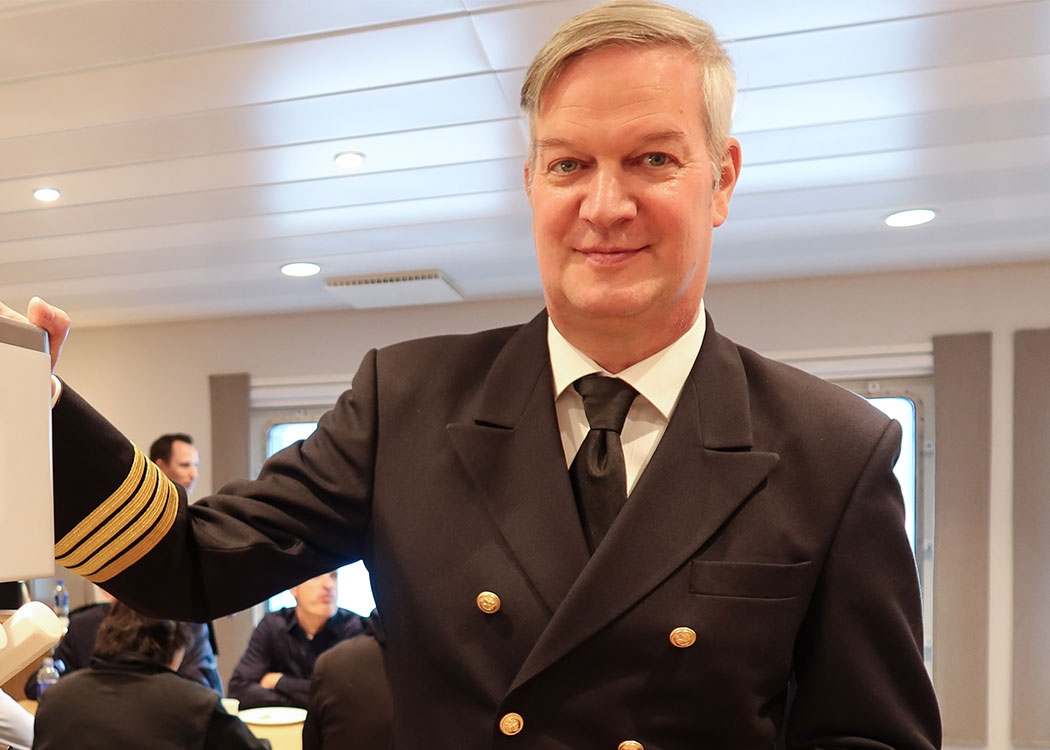
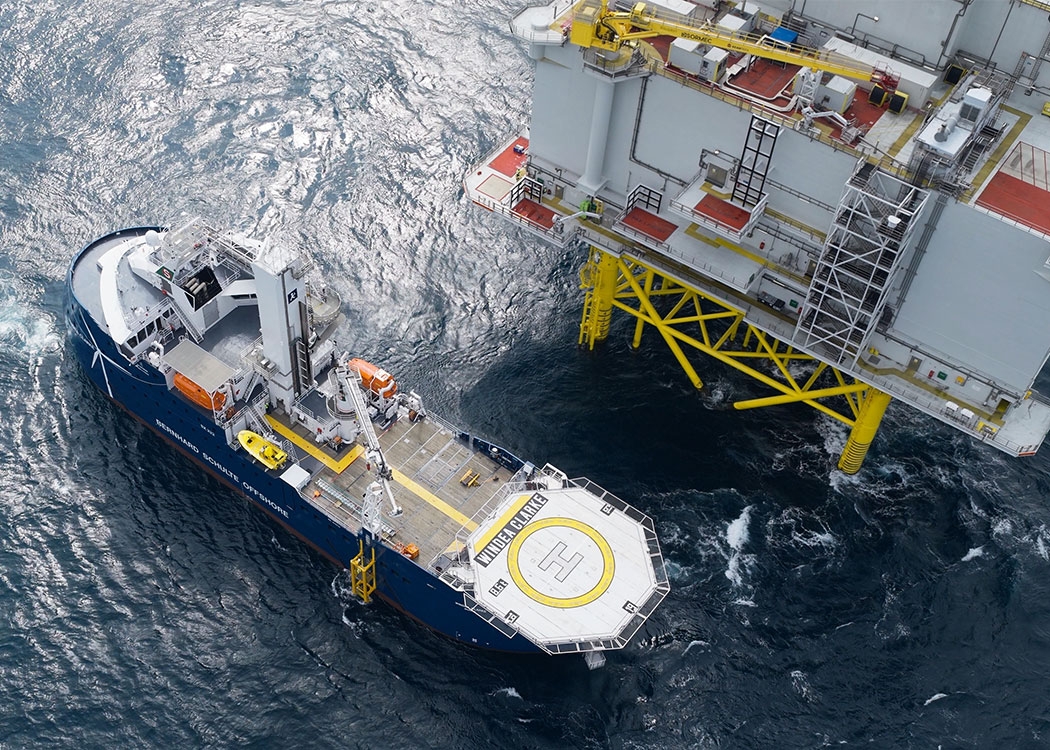
Few people understand what it takes to turn a newbuilding into an operational asset better than Captain Rainer Müller. He has overseen every step of development of the four new CSOVs “Windea Curie”, “Windea Clausius”, “Windea Carnot” and “Windea Clarke”, built for Bernhard Schulte Offshore.
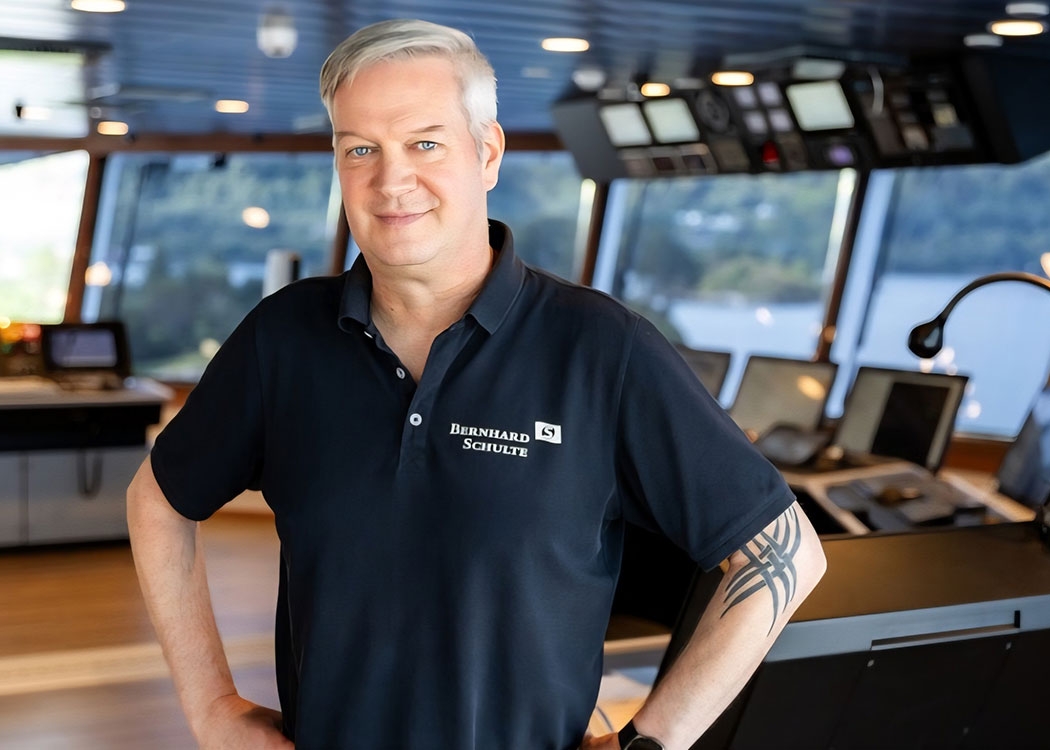
Having served as master of all four takeover crews, he has accompanied each vessel from shipyard to its first offshore assignments. “My role has covered a wide range of responsibilities, including supervision and commissioning of the CSOVs, as well as supporting the vessels’ operational start-up on behalf of BSM,” he explains. “I have also been responsible for preparing the vessel and crew for initial surveys and inspections, crew familiarisation and the vessel’s entry into service.”
For BSM, commissioning a highly sophisticated offshore vessel requires much more than technical readiness. It involves bringing together vessel crews, shore-based experts and owners to create a safe operational platform from day one.
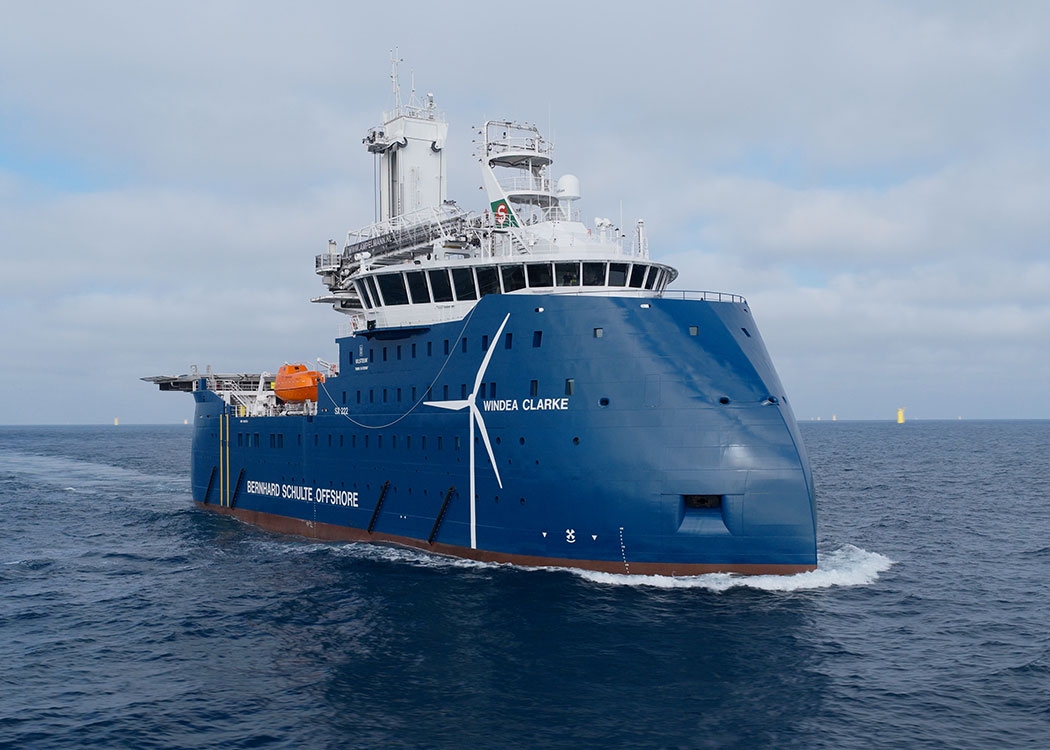
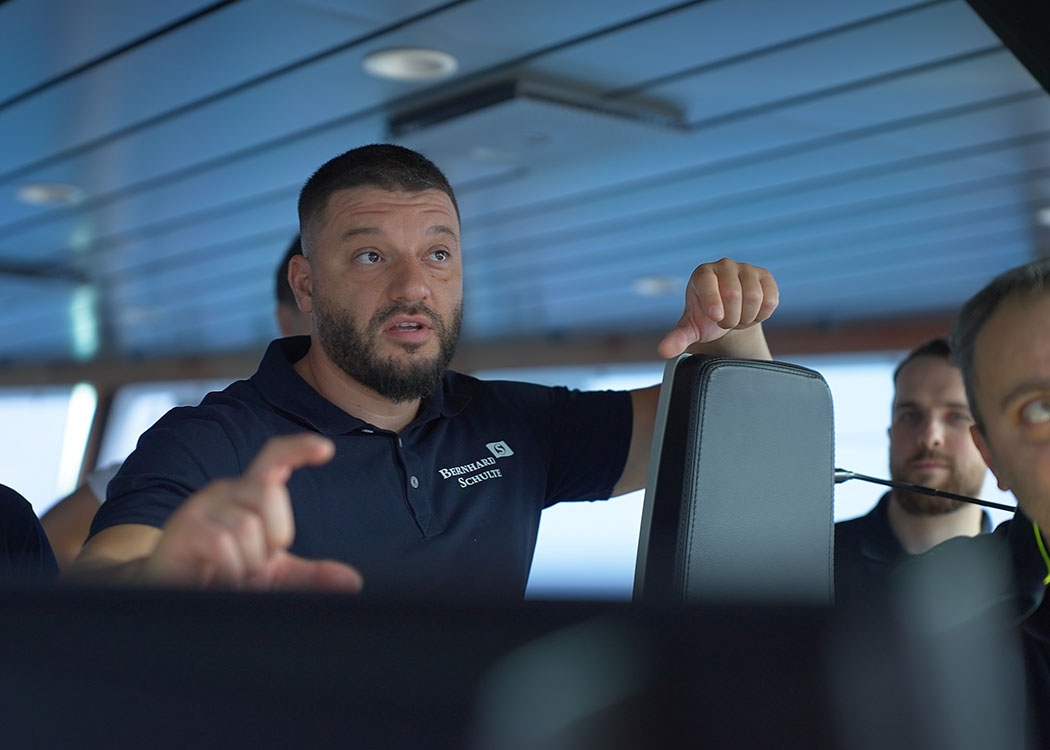
The vessels themselves were designed for demanding operations in the offshore energy sectors of wind, oil and gas, both for operations and maintenance (O&M) and construction support roles. The key strengths of this class of vessels lie in the way it combines operational efficiency, offshore endurance and technical maturity. Together, these elements support reliable, high-performance CSOV operations in a wide range of conditions.
“What makes the difference is how all systems work together,” Captain Müller says. “Core systems such as dynamic positioning in combination with the power management, hotel systems, mission equipment and walk-to-work technology are all closely aligned. This reduces the need for troubleshooting offshore and helps to maximise uptime during project campaigns.”
From an operational perspective, the vessels’ superior station keeping and low-motion behaviour, as well as the fast and efficient lifting operations enabled by the gangway crane functionality are seen as a clear advantage. They allow work to continue safely and efficiently even in very harsh environmental conditions, where other vessels must suspend operations.
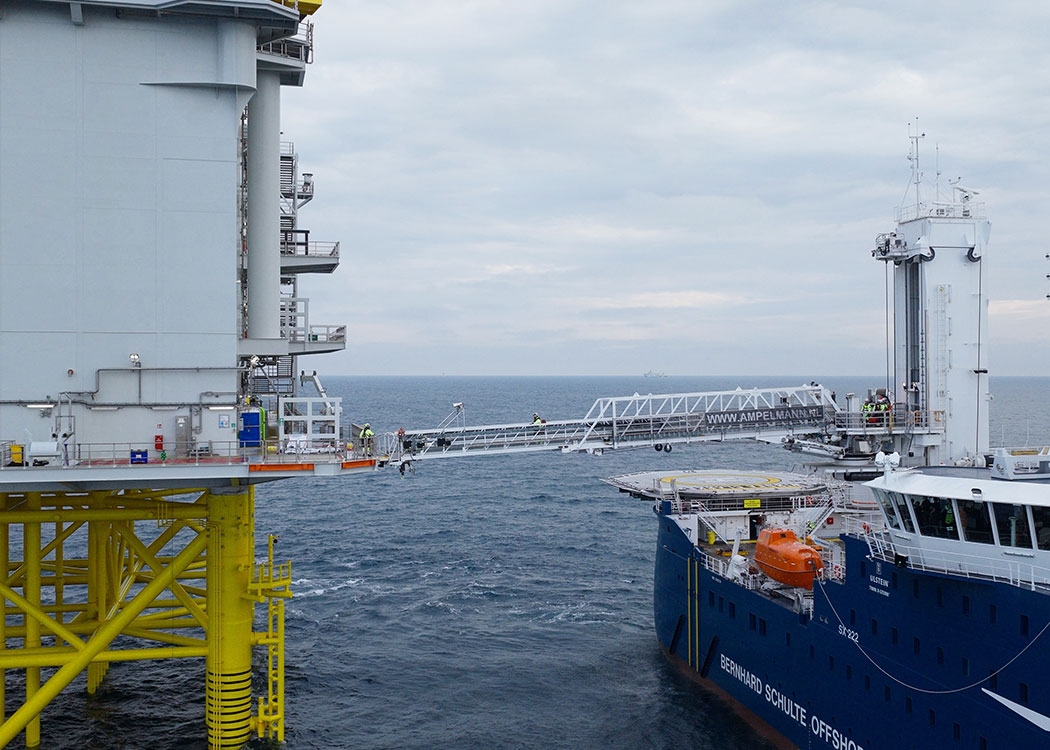
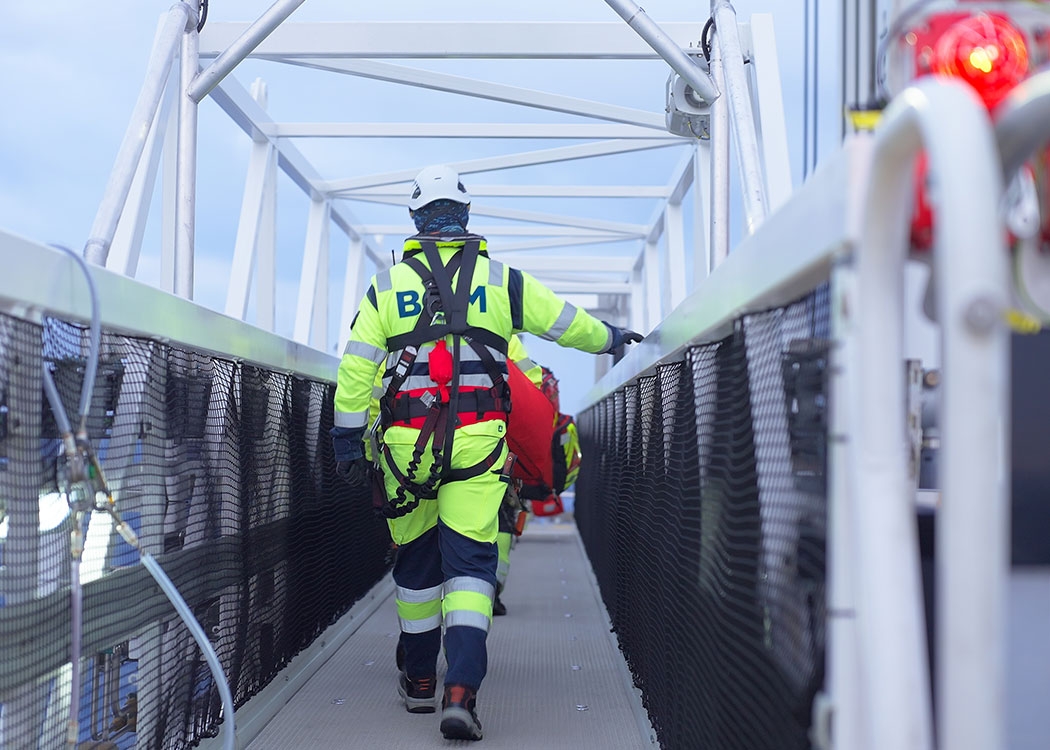
Perhaps more importantly, the vessels were designed with people in mind. Particularly, offshore wind projects depend on hundreds of technicians and marine personnel working over extended periods at sea.
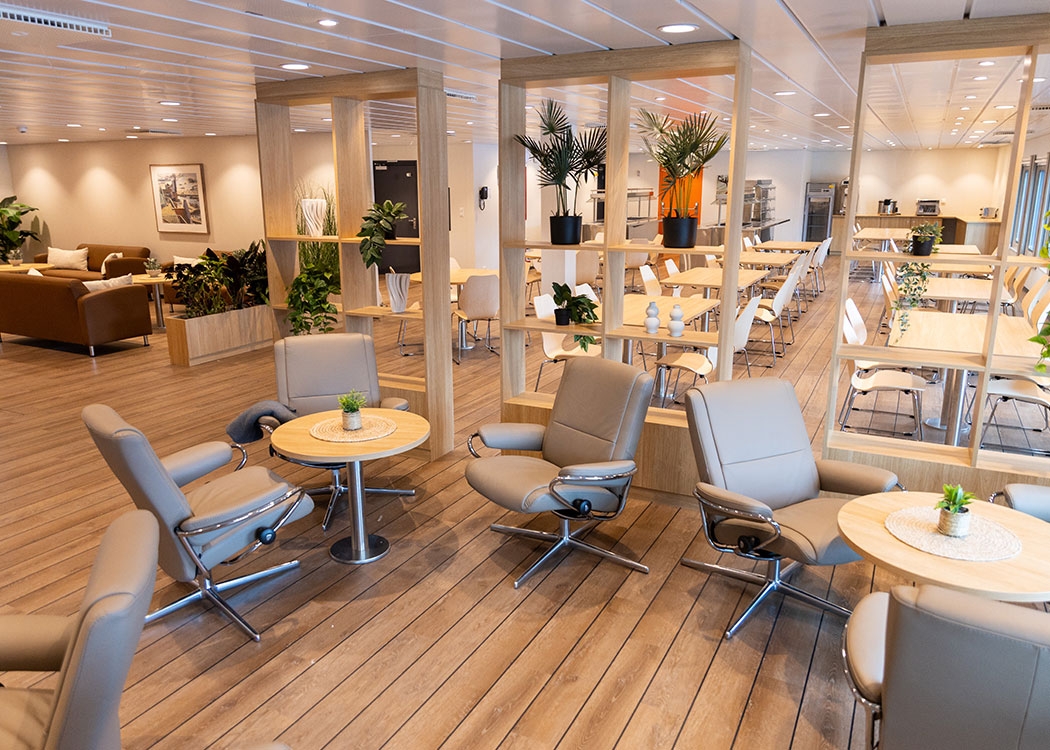
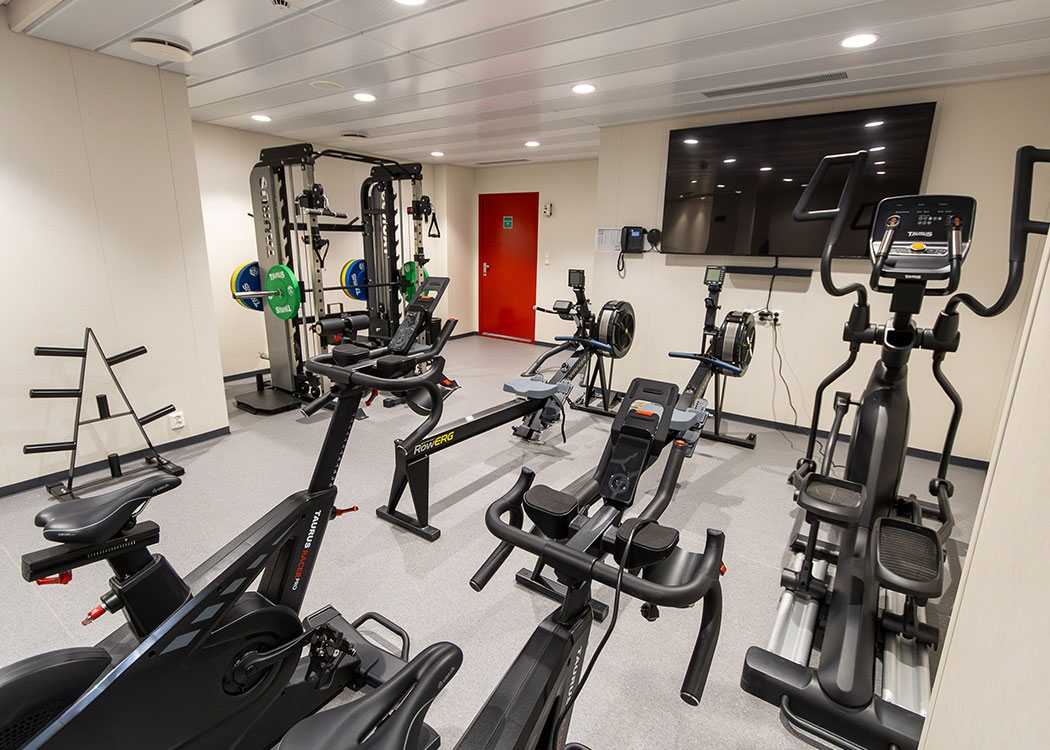
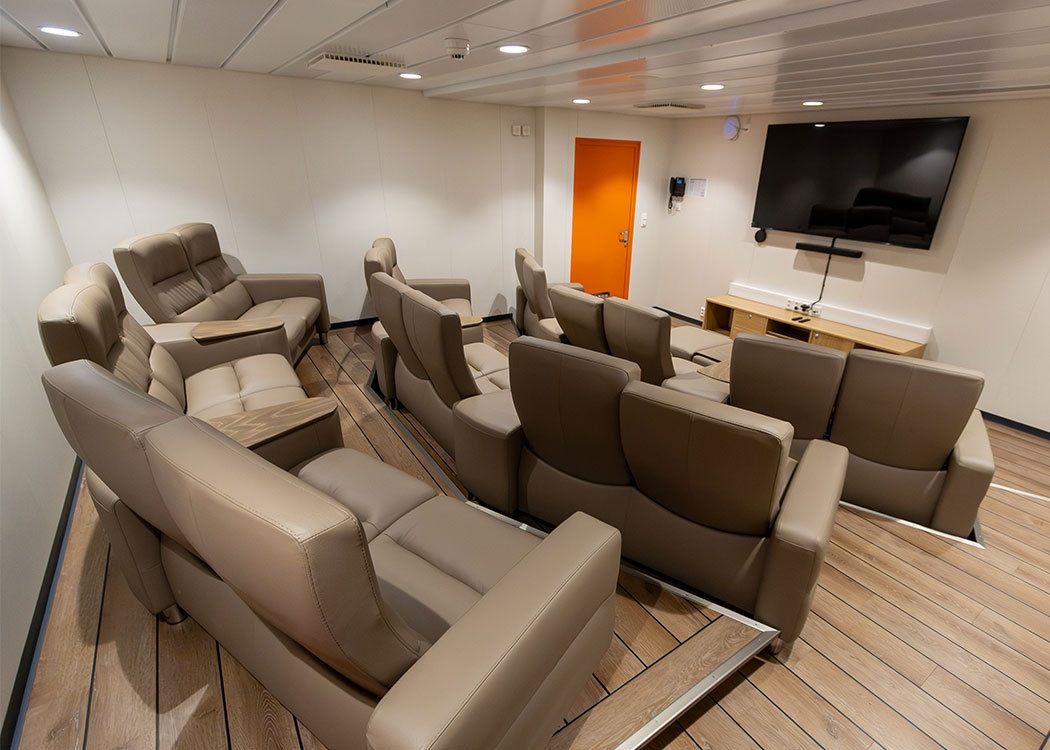
Compared with more traditional offshore vessels, the new CSOVs offer higher comfort standards, improved accommodation and facilities that support the wellbeing for both technicians and crew and make day-to-day work much easier.
For Captain Müller, even small details have a direct impact on operational performance as he explains. “Feedback from the crew has been consistently positive, especially regarding the accommodation and welfare facilities. Features such as the spacious galley and the provision lift from the weather deck to the storage areas make everyday tasks easier and significantly reduce the workload for the catering department.”
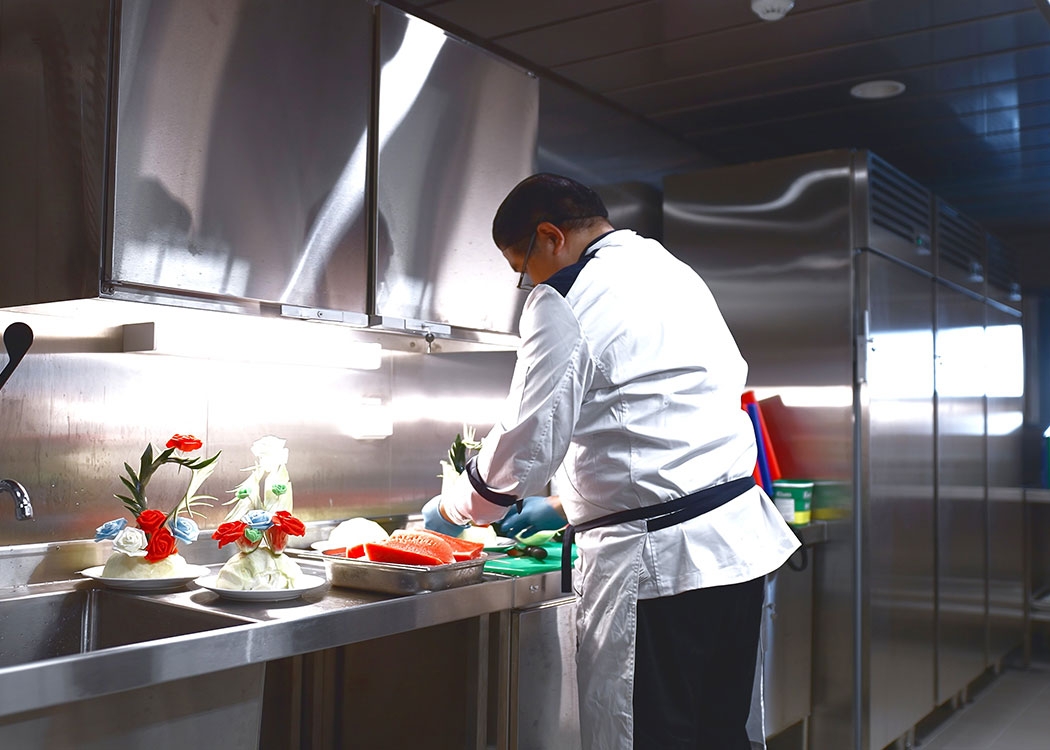
The four vessels have also highlighted the strength of BSM’s offshore management capabilities, which combines specialised crewing, technical expertise and operational experience. With its managed offshore fleet, BSM has carried out more than 250,000 walk-to-work transfers, i.e. safe access to wind turbines, oil and gas platforms and other offshore facilities. In doing so, BSM has built a strong track record in managing complex offshore operations safely and efficiently.
Looking ahead, Captain Müller expects offshore support vessels to become increasingly versatile. Future CSOVs will not only transport technicians but will serve as accommodation platforms, logistics hubs and digital workplaces. Hybrid technologies and readiness for alternative fuels such as methanol will also become increasingly important.
For Captain Müller, bringing four new CSOVs from shipyard to offshore operations has once again shown that successful commissioning is not primarily about steel and technology, but about preparation, expertise and teamwork. The fact that all four vessels are now successfully in operation, in the North Sea and in Brazil, is, in his view, proof that these elements have worked together in the right way.
What counts in ship management today?

What do the world’s first ammonia bunkering vessel and luxury yachts have in common? They are all part of BSM’s growth story and it goes well beyond 700 managed vessels.
By Fabian Reimers, BSM Group Commercial Director

09 Nov 2026 - BSM Highlights
BSM’s Chief Digital Officer Sankar Ragavan on AI, human judgement and why the industry's biggest challenge is learning to work with technology rather than simply adopting it.
09 Nov 2026 - BSM Highlights
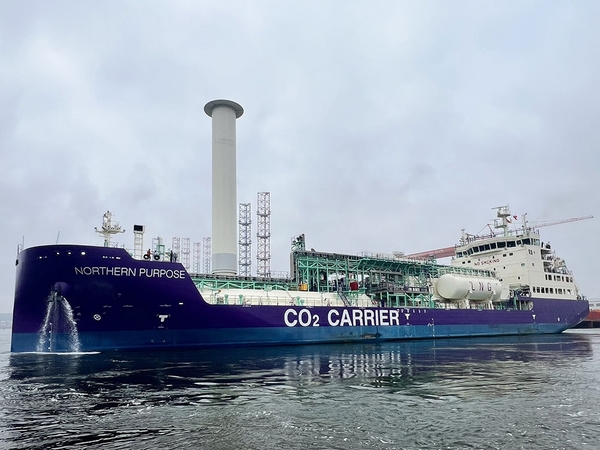
After several years of planning, construction and preparation, BSM’s first managed LCO₂ carrier, “Northern Purpose”, has entered service. Having successfully completed her first cargo operations, the pioneering vessel is now connecting European industrial emitters with permanent CO₂ storage in Norway.
09 Nov 2026 - BSM Highlights
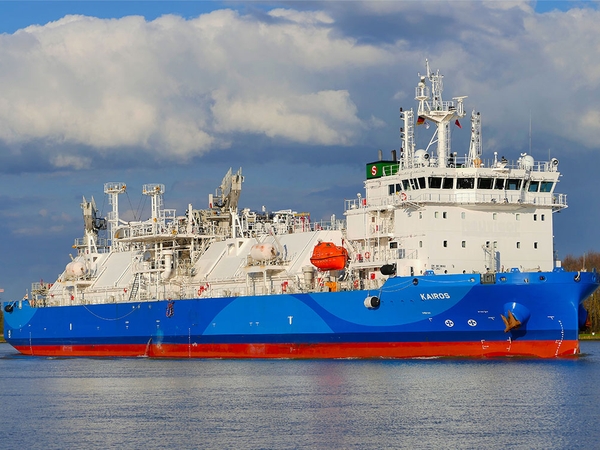
As demand for LNG bunkering vessels grows, the industry faces a less visible challenge: finding and training the seafarers who can operate these highly specialised vessels safely and efficiently. A new case study developed jointly with SEA-LNG, a multi-sector industry coalition that promotes the use of liquefied natural gas as a marine fuel, explores BSM’s lessons learned from nearly a decade of LNG bunkering operations.
09 Nov 2026 - BSM Highlights
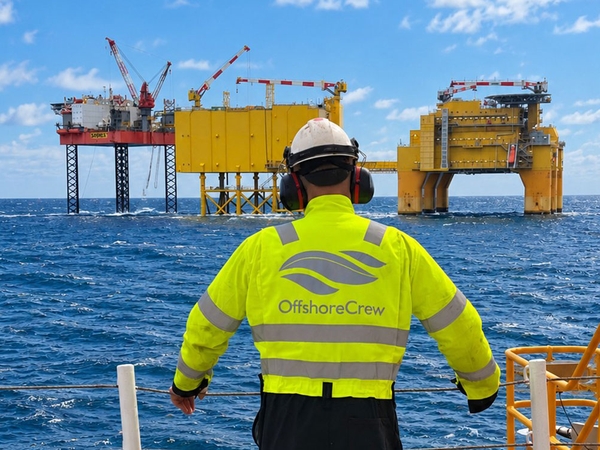
Bernhard Schulte Shipmanagement (BSM) has agreed to acquire a 50% stake in OffshoreCrew AS, a Norwegian specialist in offshore recruitment and crewing solutions. The investment further strengthens BSM’s service offering for customers in the offshore and maritime sectors.